


If you already have two or three fit out companies on your shortlist, adding another name probably will not make the decision easier. At this stage, the challenge is working out which team has the experience, people and process to deliver the project as promised.
Portfolios and presentations help, and the quotations may already be sitting in your inbox. The difficulty starts when one proposal includes work that another leaves out, material descriptions remain vague, or nobody has explained who will manage the site after you sign.
In my research into top fit-out companies, I observed that two companies may appear to offer the same service, yet their responsibilities can differ significantly once you examine the details.
Read on to learn how to choose a fit-out company by reviewing the parts of the proposal that matter most. You will also find a simple scorecard for comparing your shortlist at the end.
Before You Compare Quotes, Make Sure the Companies Are Quoting the Same Job
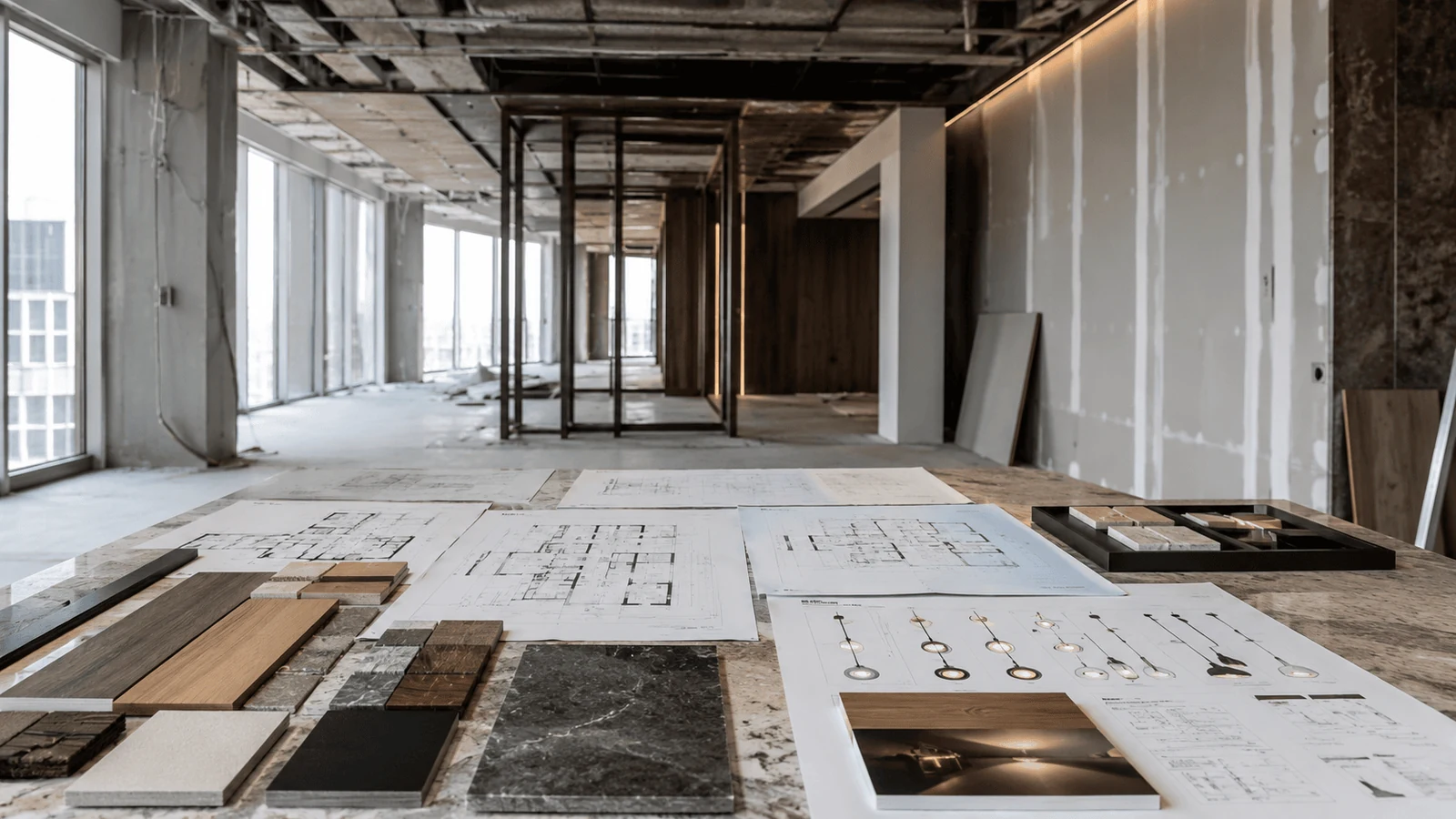
An interior fit-out company carries out the work needed to turn an unfinished, shell-and-core or existing space into a finished interior that is ready to use.
The exact scope changes from project to project. Interior fit-out services may include partitions, ceilings, flooring, wall finishes, lighting, electrical work, plumbing, HVAC, bespoke joinery, furniture installation, procurement, site management, snagging and handover.
Interior designers usually develop the layout, design direction, materials, finishes, and drawings. The fit-out team then deals with the site work needed to execute those plans. A general contractor may cover a wider construction scope and bring in specialist interior teams for specific parts of the project.
Some providers combine several of these roles. A design and build company, for example, may manage design, technical work, procurement and execution through one team. Our complete interior design and fit-out solutions give you an idea of how these stages may sit within a single project.
Get a written scope from every shortlisted provider before you study the final price. Once you know exactly what each company has included, the quotations become much easier to compare.
8 Checks That Help You Choose a Fit Out Company
Use these eight checks to compare shortlisted companies on the same basis and see what sits behind each proposal.
1. Start With Projects That Actually Resemble Yours
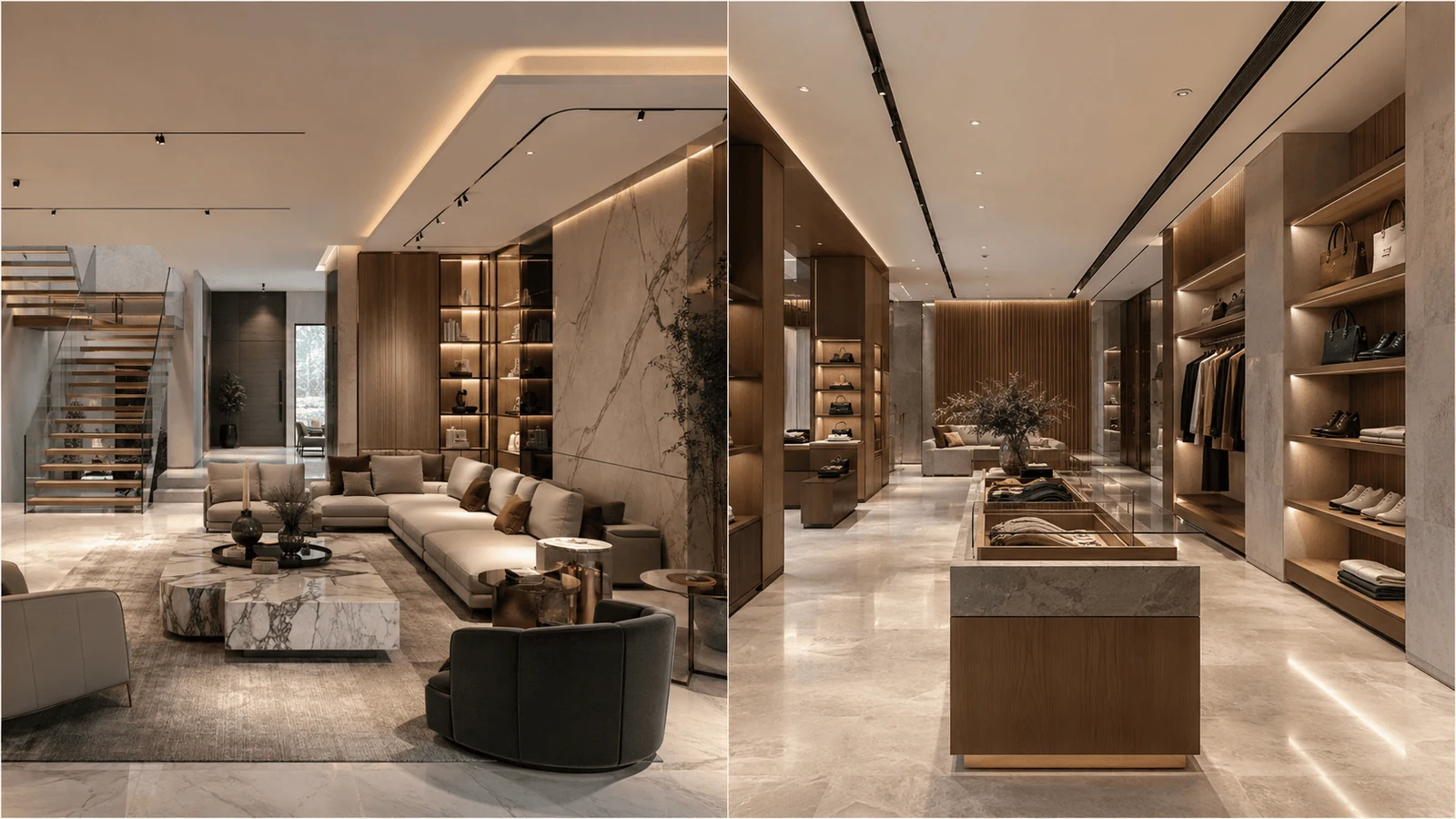
A long company history has value, although relevant project experience matters more. Focus on work with a similar property type, scale, finish and technical difficulty.
Someone planning a customised villa should see detailed residential work. A retail or hospitality client needs examples that reflect opening dates, specialist services and daily operation.
This approach has research behind it. In Jaman Al-Zahrani’s study at the University of Manchester, 164 construction professionals completed the survey, producing a 32% response rate. The study identified factors linked to project success, including past performance, management and technical ability, experience, previous project type and size, and financial capability.
Two or three similar projects are more useful than a large gallery of unrelated work.
2. Look Past the Portfolio Photography
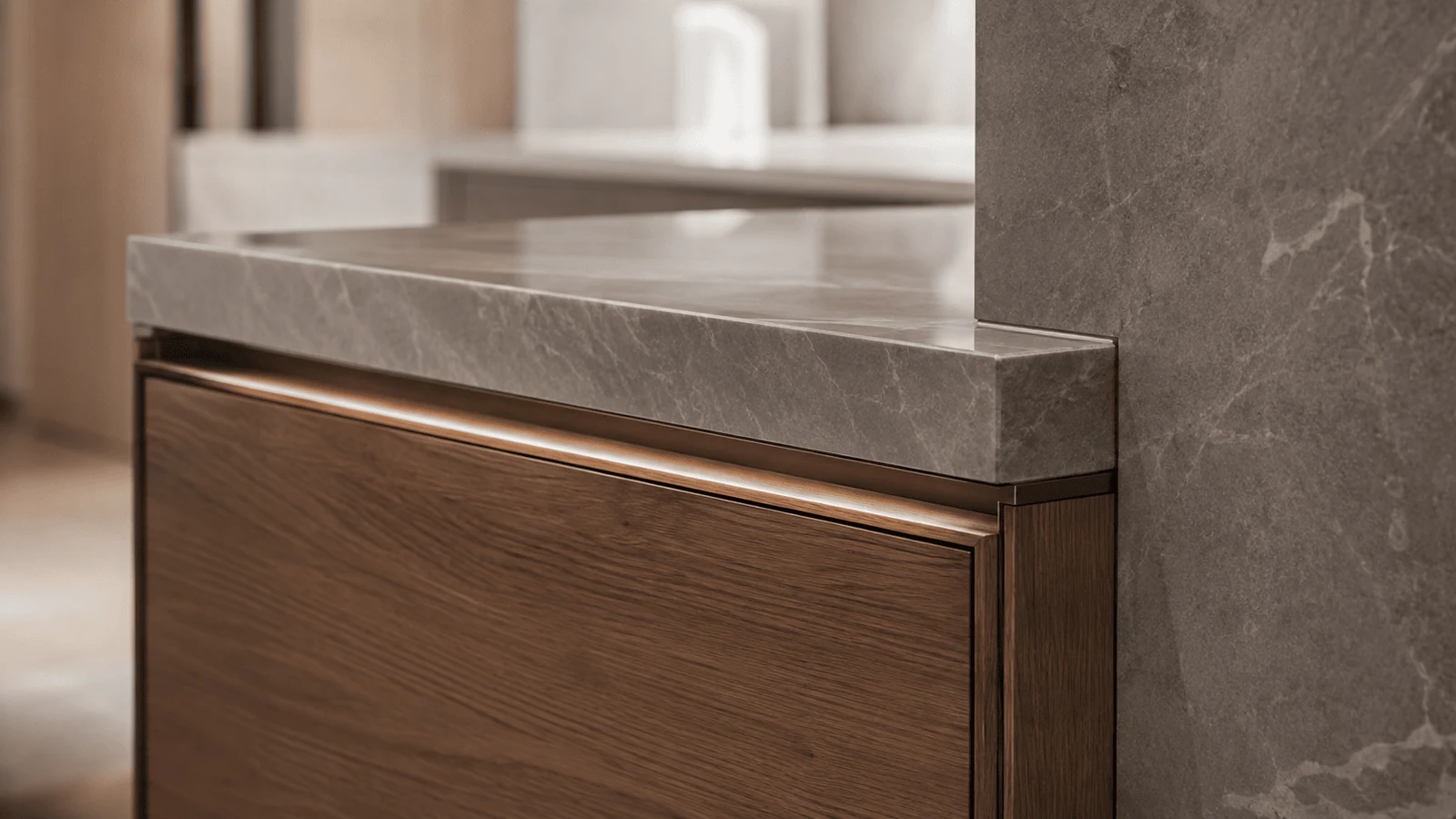
A wide photograph gives you the overall impression of a room. Workmanship becomes easier to judge when you move closer.
Joinery alignment, stone joints, cabinet doors, hardware, ceiling details, and material transitions deserve attention. In conversations with designers and architects, these smaller details often receive more attention than the main room image because they show how carefully the site team handled the design.
Use completed luxury fit-out projects as a reference. Close-up photographs, samples, case studies, or a finished-site visit can add useful context.
3. Find Out Who Will Run Your Project

The sales presentation tells you about the company. The delivery team will shape much of your experience after appointment.
The proposal should identify the project manager, site supervisor and main client contact, along with who coordinates specialist trades, handles site changes and sends progress updates.
Luxury projects may involve designers, engineers, joinery specialists, lighting suppliers, stone contractors and procurement staff. Clear roles help those teams work from the same programme and instructions.
A short conversation with the proposed project manager can reveal how the job will run. Our page on how our fit-out team works shows the kind of team structure worth reviewing.
4. Compare the Scope Before You Compare the Total Price

Two quotations with different totals may also contain different work. Compare inclusions and exclusions, material specifications, allowances, quantities, design and technical fees, material supply responsibilities, payment stages, variations, warranties and approval-related costs.
A quote may seem cheaper because the client has to supply certain items, a specialist package sits outside the price, or the material allowance is lower. Use a basic spreadsheet and give each provider a column and compare the same work package across all of them. The gaps you see become easier to spot before they turn into extra costs later.
5. Find Out What “Premium Materials” Means

Words such as “premium,” “luxury” and “high quality” leave plenty of room for interpretation.
For important finishes, the proposal should include the brand or supplier, product range, grade, finish, size, hardware and warranty where relevant. If availability changes, there should also be a clear process for approving a replacement.
Natural stone, timber, veneers, cabinetry, metalwork, specialist glass and custom furniture deserve particular care because small differences affect appearance and cost. For finishes used across large areas, a physical sample or mock-up gives everyone a clear reference before full production begins.
6. Check How the Team Coordinates Design, MEP and Site Work
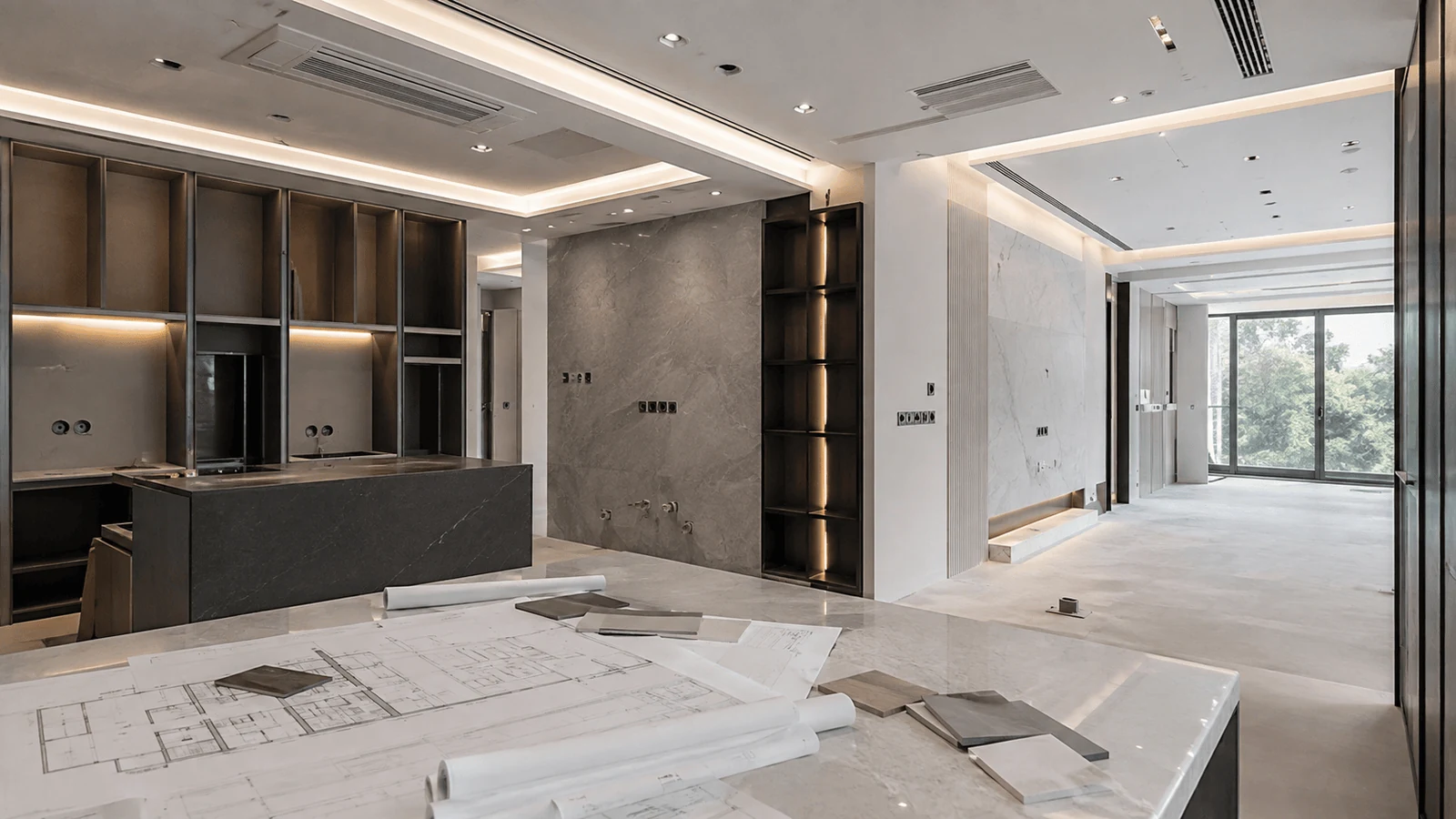
MEP stands for mechanical, electrical, and plumbing systems. These services need to fit around the visible interior design. Lighting, AC vents, cabinetry, sockets, plumbing, furniture and fire-safety equipment can affect one another. If the drawings do not line up, those conflicts eventually reach the site.
A strong fit out contractor should have a clear process for coordinating these details, and the scope should name who manages technical approvals.
Dubai Municipality’s building permit procedures cover technical site inspections along with requirements linked to design and building contractors. The exact route depends on the property, location and project scope, so responsibility should be clear from the start. If your project sits in Dubai specifically, our guide on how to choose a fitout company in Dubai covers the authority routes, permit documents and BOQ checks in more detail.
7. Test the Timeline Against Procurement and Approvals
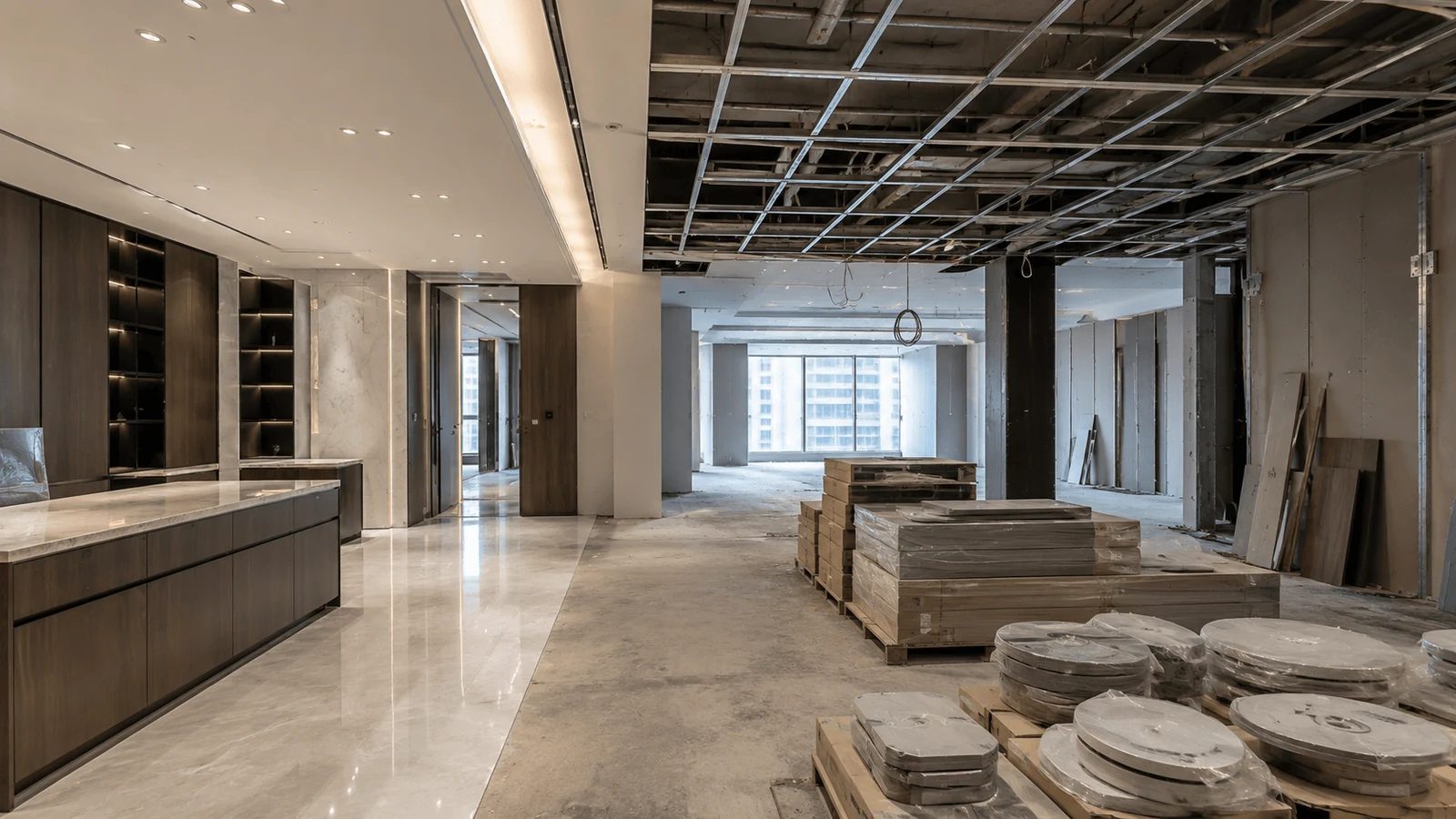
A handover date tells you very little without the steps leading up to it, so look at the full programme.
A useful schedule should account for design approvals, authority requirements where applicable, custom fabrication, imported materials, joinery, deliveries, installation, inspections and snagging.
Luxury projects often include bespoke pieces with different production and delivery periods. A delay in one important item can affect work that follows, especially when several trades need access to the same area.
Request a programme with the main milestones, approval stages and procurement dates. This gives you something practical to follow once the project starts.
8. Look at How the Company Communicates Before You Appoint It

Communication starts long before the site becomes active. During the proposal stage, notice how clearly the team answers questions, explains exclusions and updates documents. Important decisions should appear in writing, especially when they affect price, materials or the programme.
Some clients prefer weekly meetings and regular photographs, while others want fewer updates and one clear point of contact. Both approaches can work when everyone agrees on the process early.
Clear meeting notes, revised drawings and written approvals reduce the chance of people working from different information.
What Separates a Top Fit Out Company From an Average Provider?
A top fit out company should be able to explain how its team checks quality throughout the project. Look for clear responsibility, organised material approvals, careful drawing checks, planned procurement, regular site inspections, snagging and a clear handover process.
For luxury interiors, some of the most useful signs appear where different trades meet. Stone should connect cleanly with joinery, lighting should line up with ceiling details, and cabinetry should work around technical services without leaving awkward gaps.
Find out how the team checks these areas during the build and who signs them off. That process tells you more about the company’s standards than broad claims about premium workmanship.
For a Luxury Home, Judge the Details You Will Live With Every Day

A villa, penthouse or high-end apartment puts a lot of attention on bespoke work because you will use many of those details every day.
Look closely at kitchens, wardrobes, wall panelling, doors, bathrooms, fitted storage and stonework. Natural timber and stone can also vary from one piece to another, so find out how the team selects, matches and approves them.
The fit-out company may also need to work with an architect, interior designer, lighting consultant, smart-home specialist, landscape designer or furniture supplier. Clarify each team’s role before the site work begins.
Your chosen design direction will also affect the materials and level of detailing the project needs. Our guide to luxury interior design styles can help if you are still exploring that part of the project.
When you review residential work, spend some time on the kitchens, wardrobes and bathrooms because these areas can show craftsmanship more clearly than a styled living-room image.
For Commercial Interiors, Test the Company Against the Opening Date
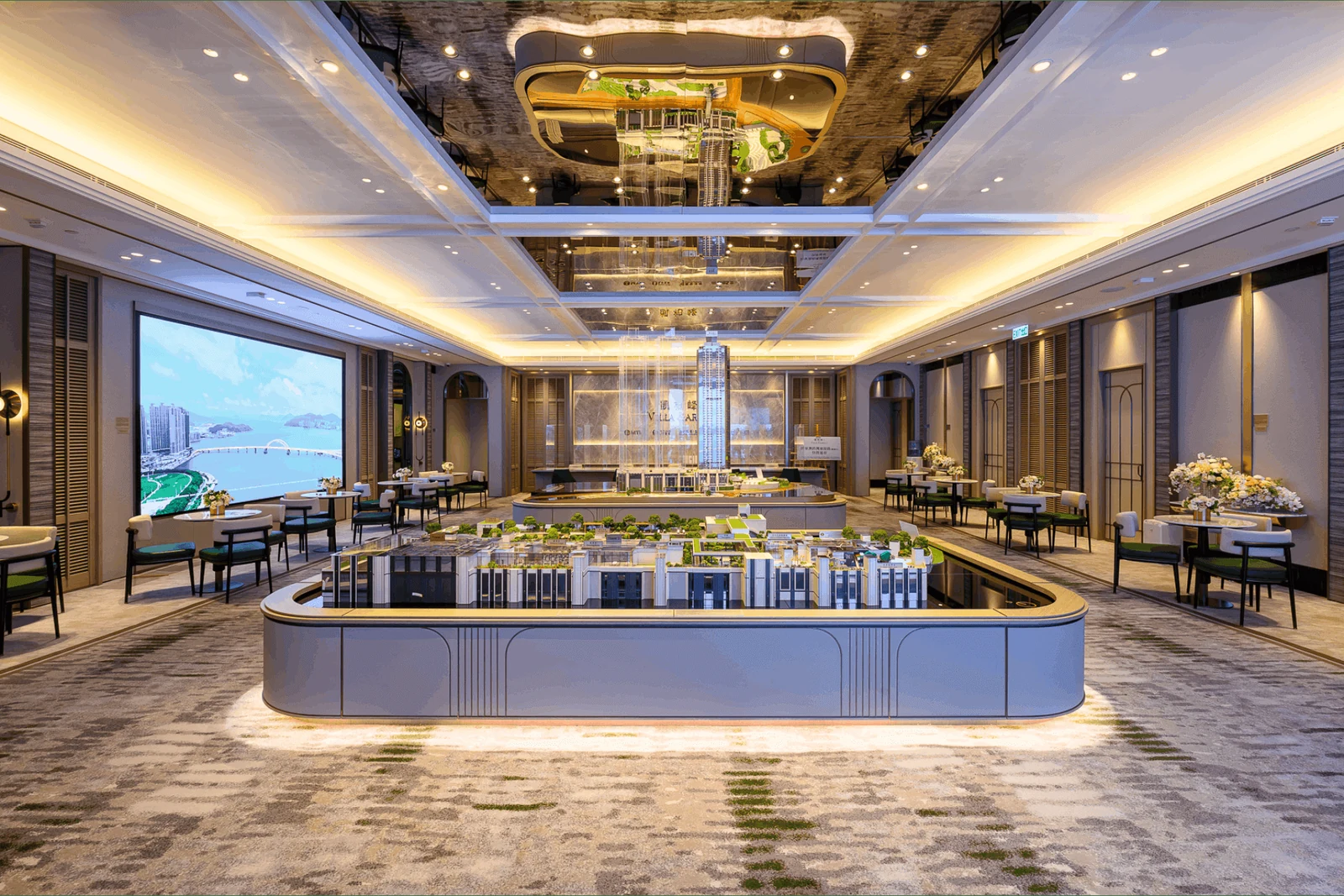
Offices, retail stores, showrooms, restaurants and hospitality spaces can bring a different set of demands.
A business may already have a date for staff to move in or customers to enter the space. The materials also need to suit everyday use, while the technical work can involve IT, MEP, equipment, signage, landlord requirements and fire-safety systems.
Dubai Civil Defence includes an Application for Approval of Drawings among its engineering services. If your project needs this type of approval, agree early on who will prepare the required drawings, manage the submission, and respond to any comments.
Commercial experience should match the type of space you are planning. Have each shortlisted provider show you a project with a similar use, technical scope and handover deadline.
Score Your Shortlist Before Making the Final Choice
There is no universal best fit-out company for every project because the right choice depends on your space, level of finish, technical needs, budget and timeline.
One simple way to make the differences clearer is to score every provider using the same criteria. The framework below is a practical comparison tool, so treat it as a guide for your own decision.
| Comparison Area | Suggested Weight |
|---|---|
| Relevant project experience | 20 |
| Workmanship and finish quality | 20 |
| Project team and management | 15 |
| Design and technical coordination | 15 |
| Scope and budget transparency | 15 |
| Procurement and timeline planning | 10 |
| Communication and aftercare | 5 |
| Total | 100 |
Use evidence for each score. Relevant experience could come from a similar completed project, while workmanship may need close-up photos, samples or a site visit. A programme can support the timeline score, and a detailed quotation can help you judge cost transparency.
If you have not built your shortlist yet, our comparison of leading fit-out companies in Dubai can give you a starting point before you apply this framework.
You can also use the same criteria when evaluating Fitout Company Dubai alongside other providers.
The final score can highlight strengths and weak points, but you can still use your own judgement. More importantly, it shows you which questions still need answers before you sign.
Five Shortlisting Mistakes That Can Cost You Later
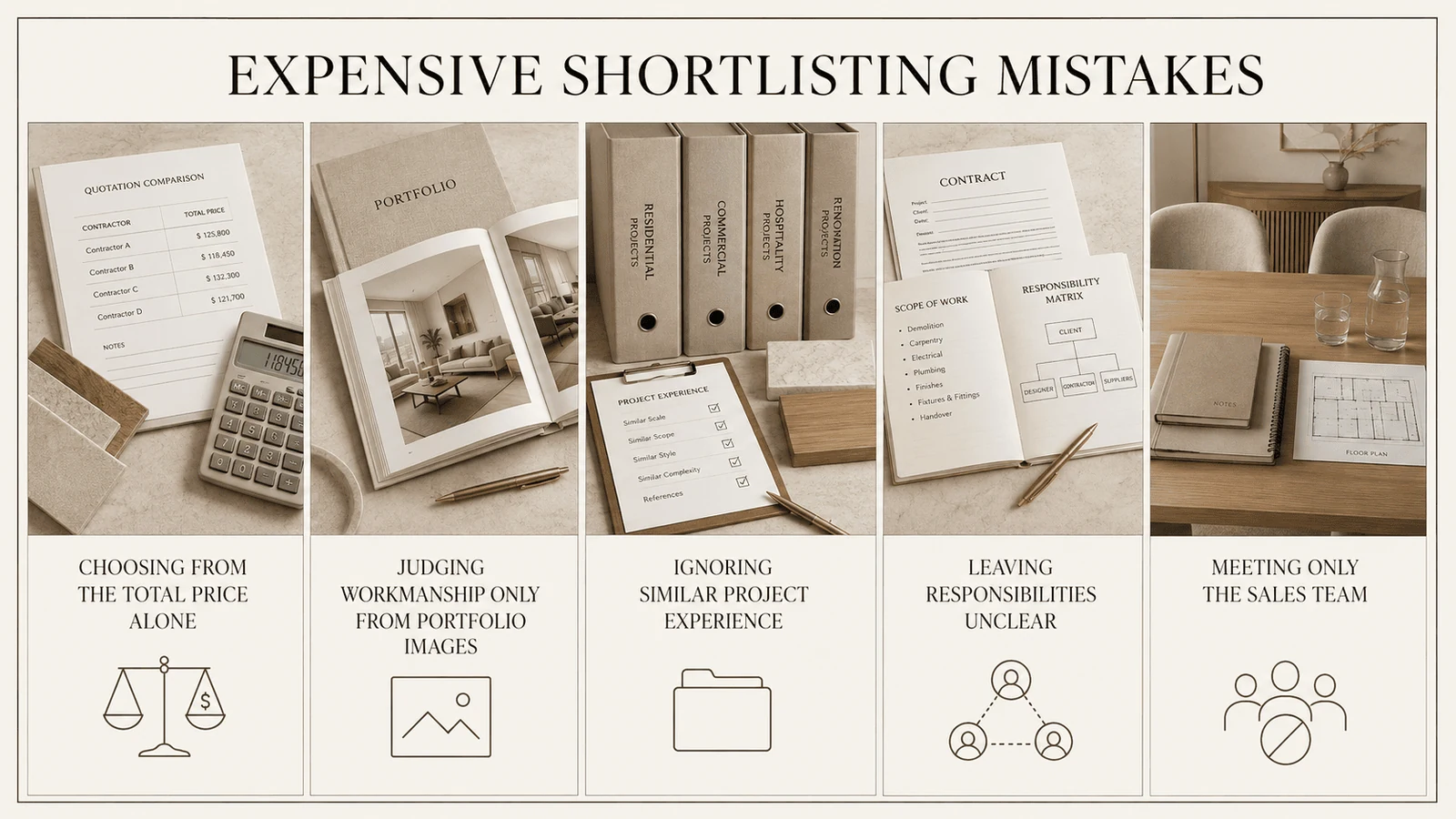
1. Choosing From the Total Price Alone
Check the scope, materials, and responsibilities first because a cheaper quotation may cover less work.
2. Judging Workmanship Only From Portfolio Images
Look at close-up details, samples, or completed spaces as well, since wide photographs can hide small execution problems.
3. Ignoring Similar Project Experience
A company may have plenty of experience overall, but your project still needs a team familiar with its type, scale, and level of detail.
4. Leaving Responsibilities Unclear
Clarify who handles design development, procurement, technical coordination, and approvals before work starts.
5. Meeting Only the Sales Team
Speak with the project manager or delivery team because these are the people who will handle most of your questions once the site becomes active.
If any important point still feels unclear, resolve it before the appointment and record the agreed responsibility in writing.
Choose the Team That Can Deliver What It Promises
A strong presentation can help a company reach your shortlist, but the final decision needs to come from the details behind it.
Look for relevant experience, clear scope, good workmanship, a capable project team, sensible material choices and a timeline that explains how the work will move from approval to handover. Communication also matters because you will rely on the same team when drawings change, materials need approval or site issues appear.
That is the practical answer to how to choose a fit-out company for a high-value home or commercial space. The team you appoint will carry the agreed design through the build, so you need enough evidence to feel comfortable with that responsibility.
Planning a luxury residential or commercial fit-out? Book a project consultation to discuss your space, design requirements, scope, timeline and the level of finish you want to achieve.
FAQs
How many fit-out companies should I compare?
A focused shortlist usually makes the process easier because you can spend more time checking each company’s work, scope, team and price. Start with providers that have relevant experience, then compare them using the same criteria.
Should I choose the cheapest fit-out quotation?
Start by checking the scope, materials, responsibilities, allowances and exclusions because the total price only becomes useful once those details are clear. You can then decide if the price difference makes sense for your project.
Can a fit out company work with my existing interior designer?
Yes. Many fit-out teams can work with an existing designer, but both sides need clear responsibilities. Confirm who handles design changes, technical drawings, material approvals, site coordination, and revisions before work begins.
What should I see before appointing a fit-out contractor?
Review similar completed projects, the detailed scope, material specifications, proposed programme, project team, pricing and payment terms. For important claims about workmanship or technical ability, request examples or documents that support them.
Is a turnkey solution always better?
A turnkey setup can make coordination easier because one provider handles several stages of the project. It still needs the right experience, a clear scope, capable people, good project controls, and transparent pricing to suit your particular space.